














The Sassolungo Group – the symbol of the Val Gardena Dolomites
A breathtaking mountain world with unique rock formations and majestic peaks – a paradise for hikers and nature lovers.
Sassolungo (Langkofel): experience Val Gardena's iconic mountain from Monte Pana
An unmistakable Dolomite landmark from a privileged perspective
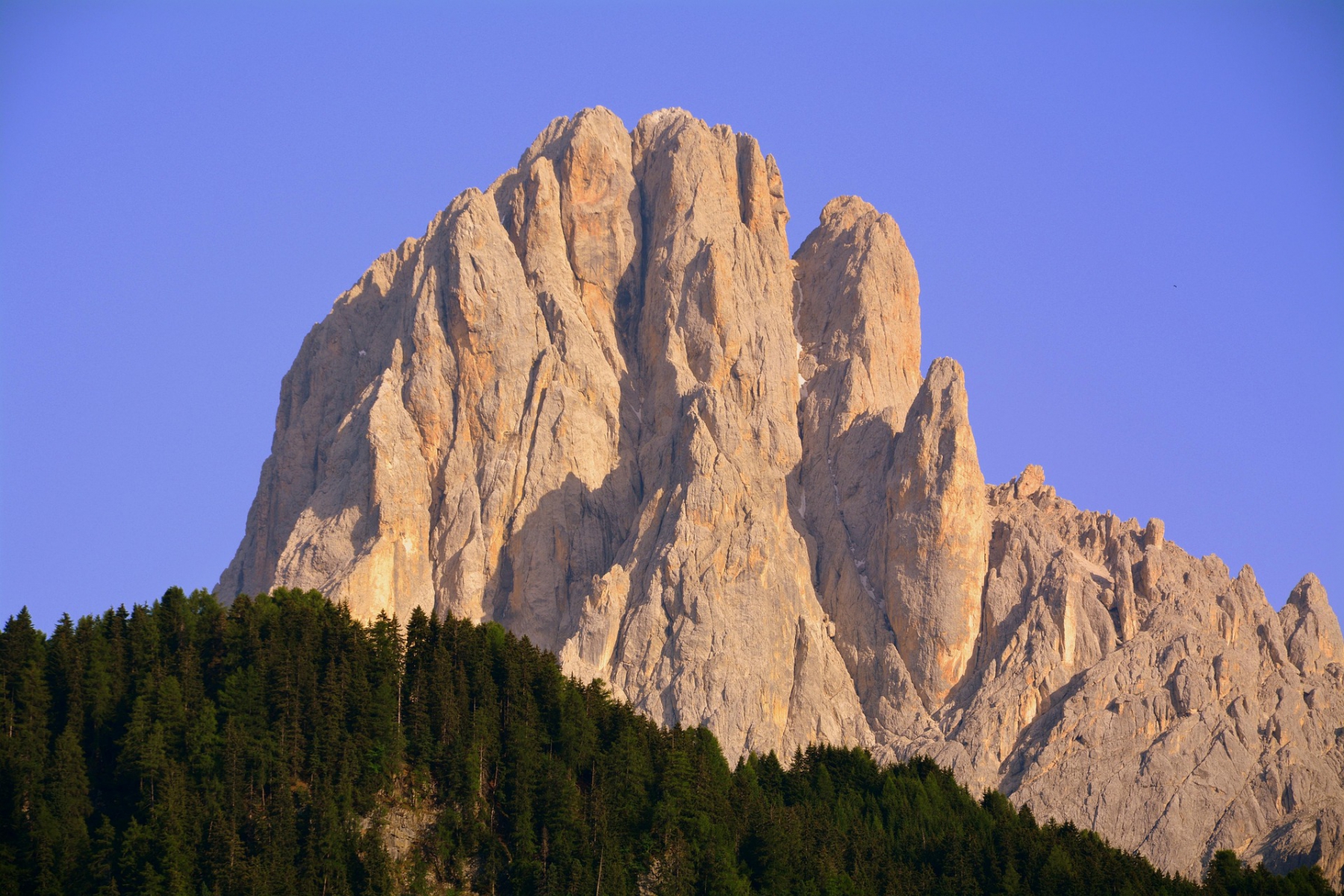
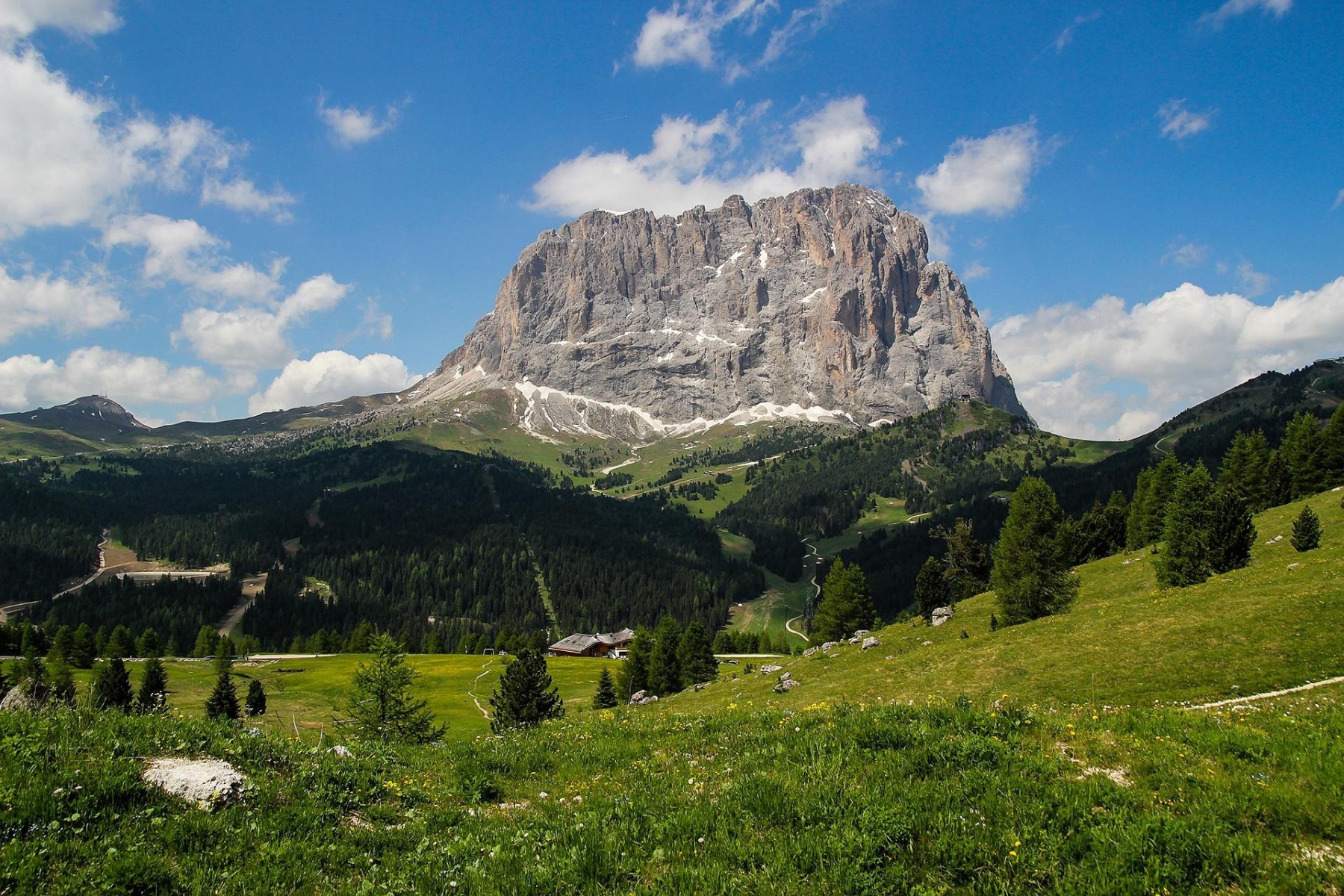
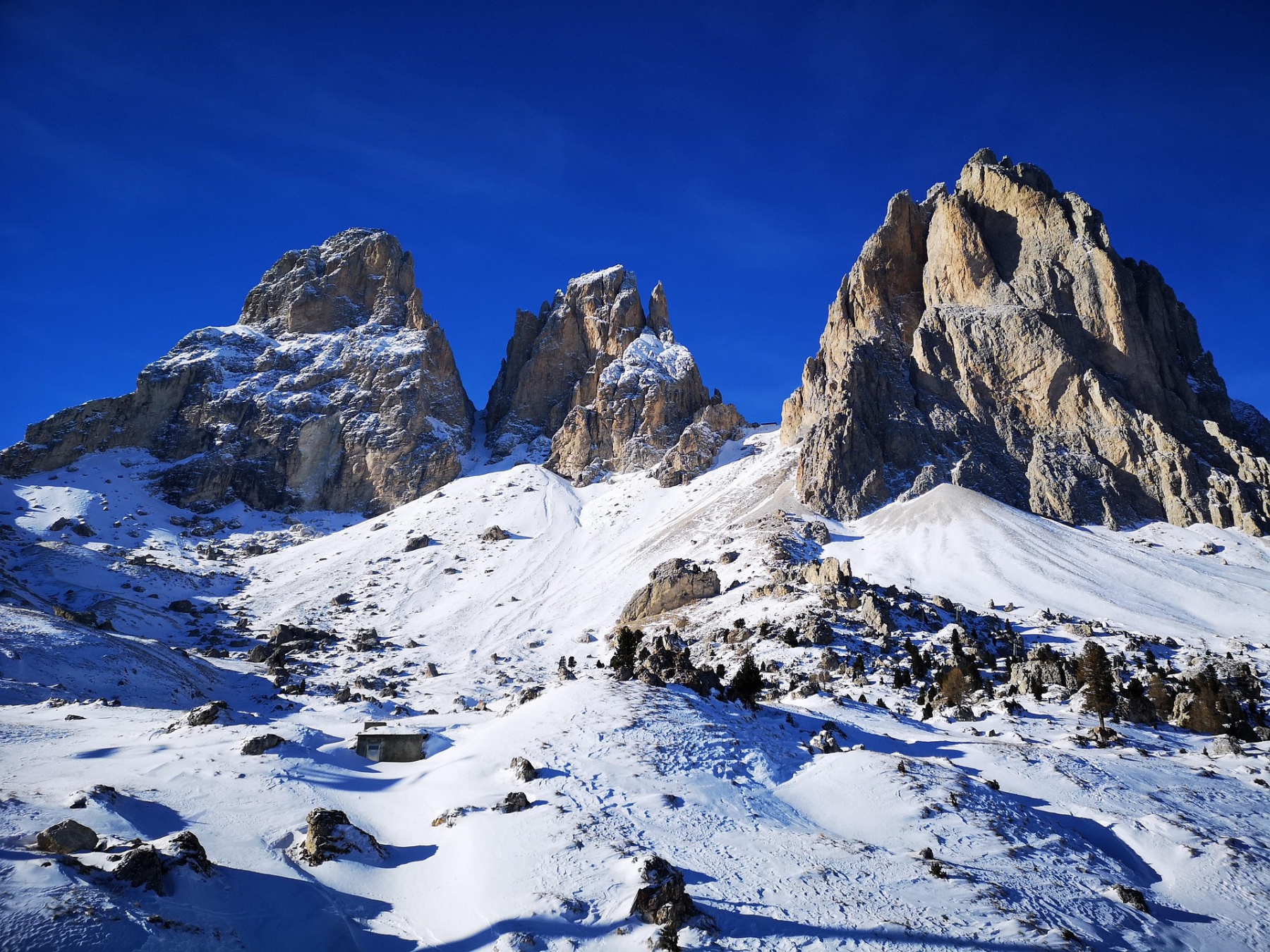
Sassolungo (3,181 m) – known as Langkofel in German and Saslonch in Ladin – is the main and highest summit of the mountain group that bears its name and one of the most recognisable landmarks of Val Gardena and the Dolomites.
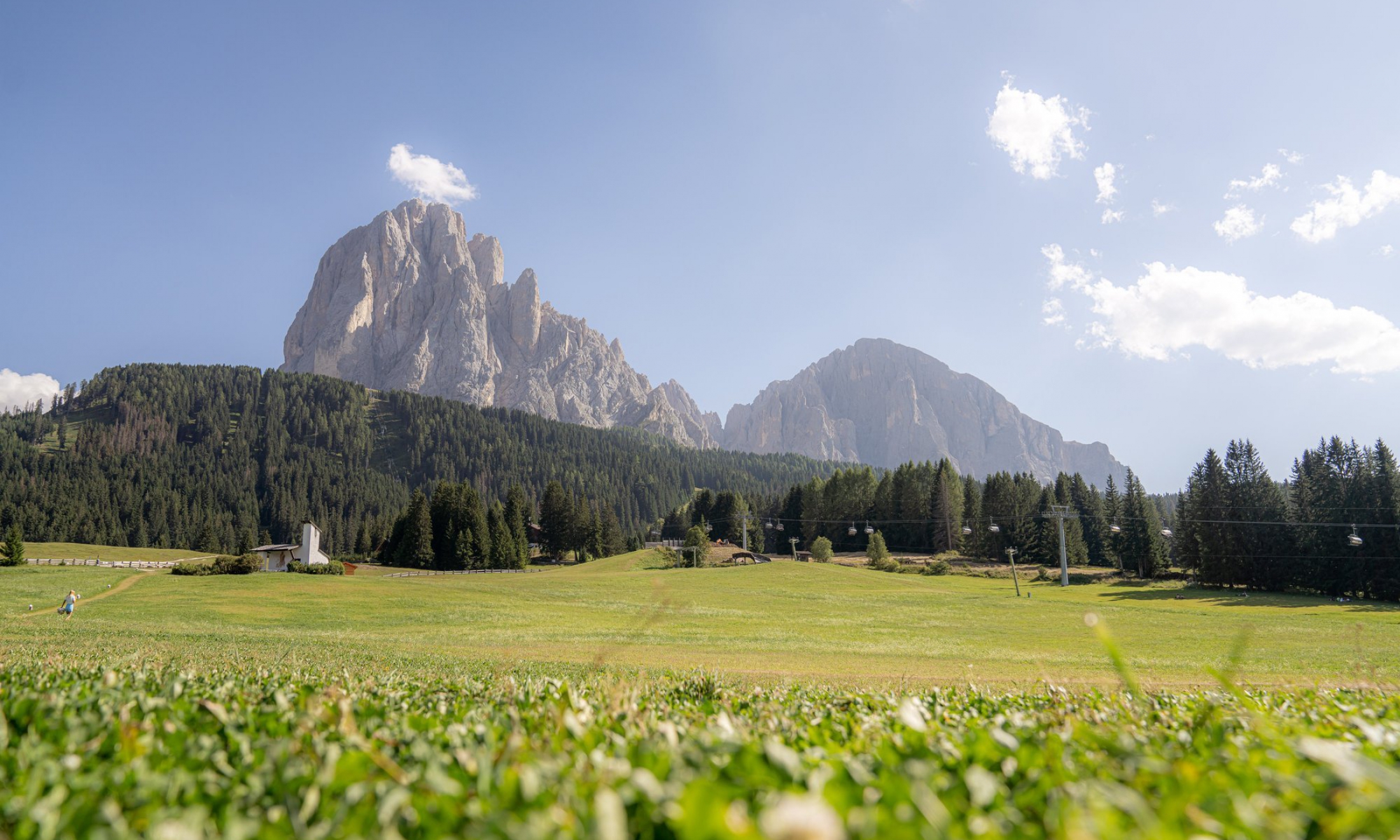
Its immense rock walls, towers and pinnacles define the landscape above S. Cristina. From Monte Pana, located directly at the foot of the massif, Sassolungo can be experienced from an exceptionally close perspective. Here it is not simply a mountain on the horizon: it forms the backdrop to walks, hikes, outdoor activities and quiet moments in nature throughout the year.
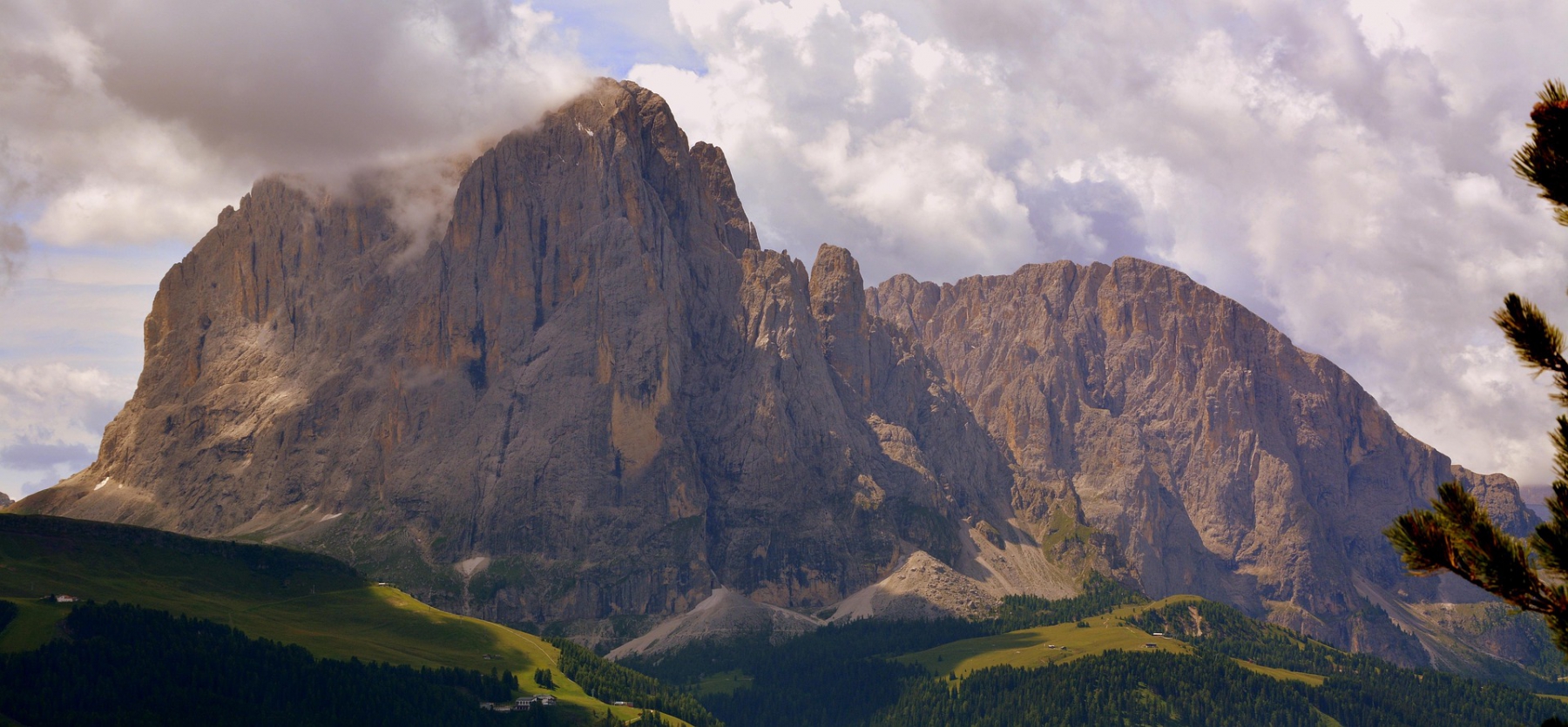
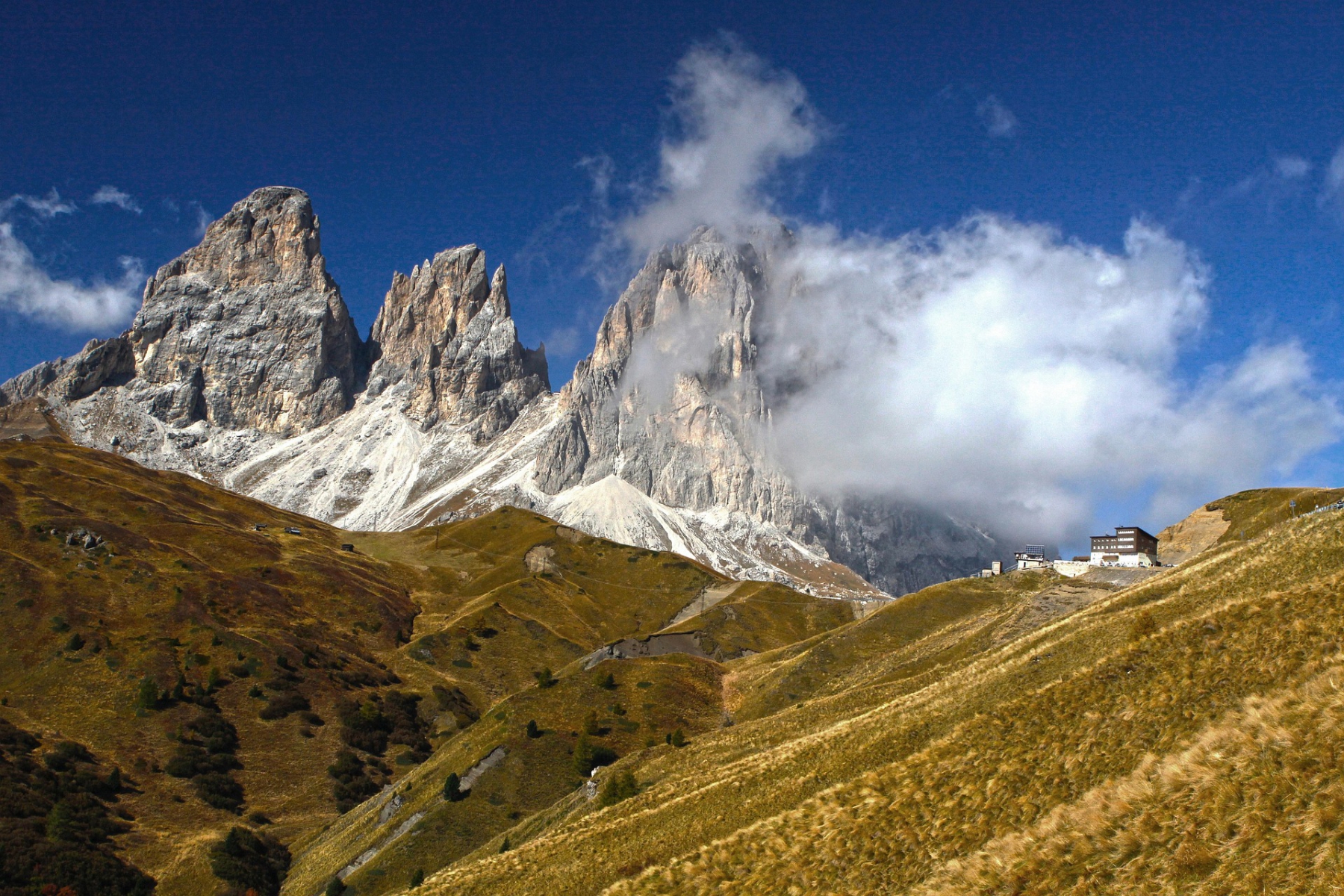
Continue higher towards Mont de Sëura and the relationship with the mountain becomes even more dramatic, as the great walls of Sassolungo seem almost within reach. This extraordinary proximity makes Monte Pana and Mont de Sëura two particularly rewarding places from which to experience and photograph one of the Dolomites' most fascinating mountains.
Sassolungo and the Sassolungo Group: what is the difference?
The name Sassolungo specifically refers to the 3,181-metre main summit, while the Sassolungo Group, also known as the Langkofel Group, refers to the entire mountain massif extending between Val Gardena and the upper Val di Fassa.
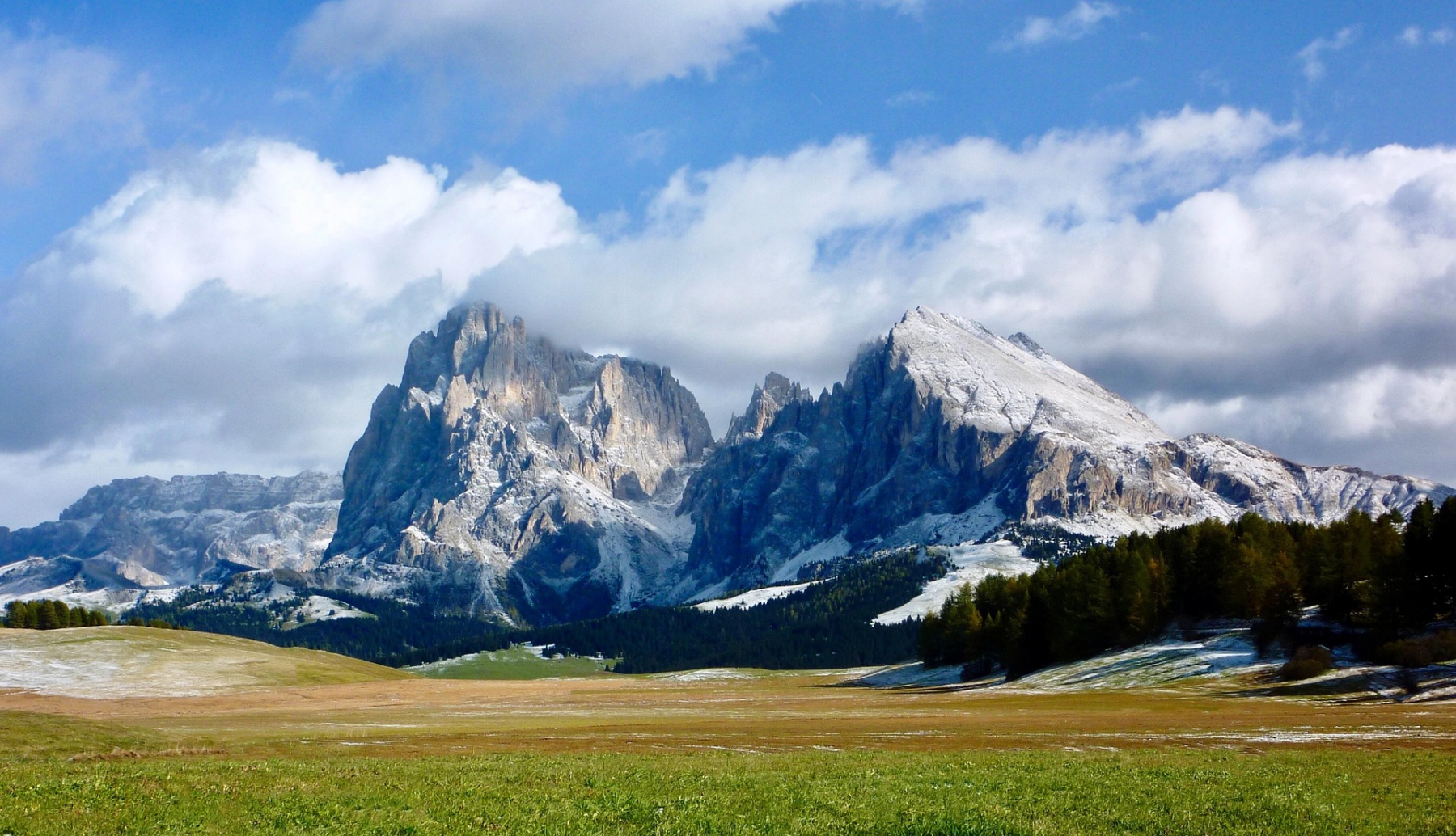
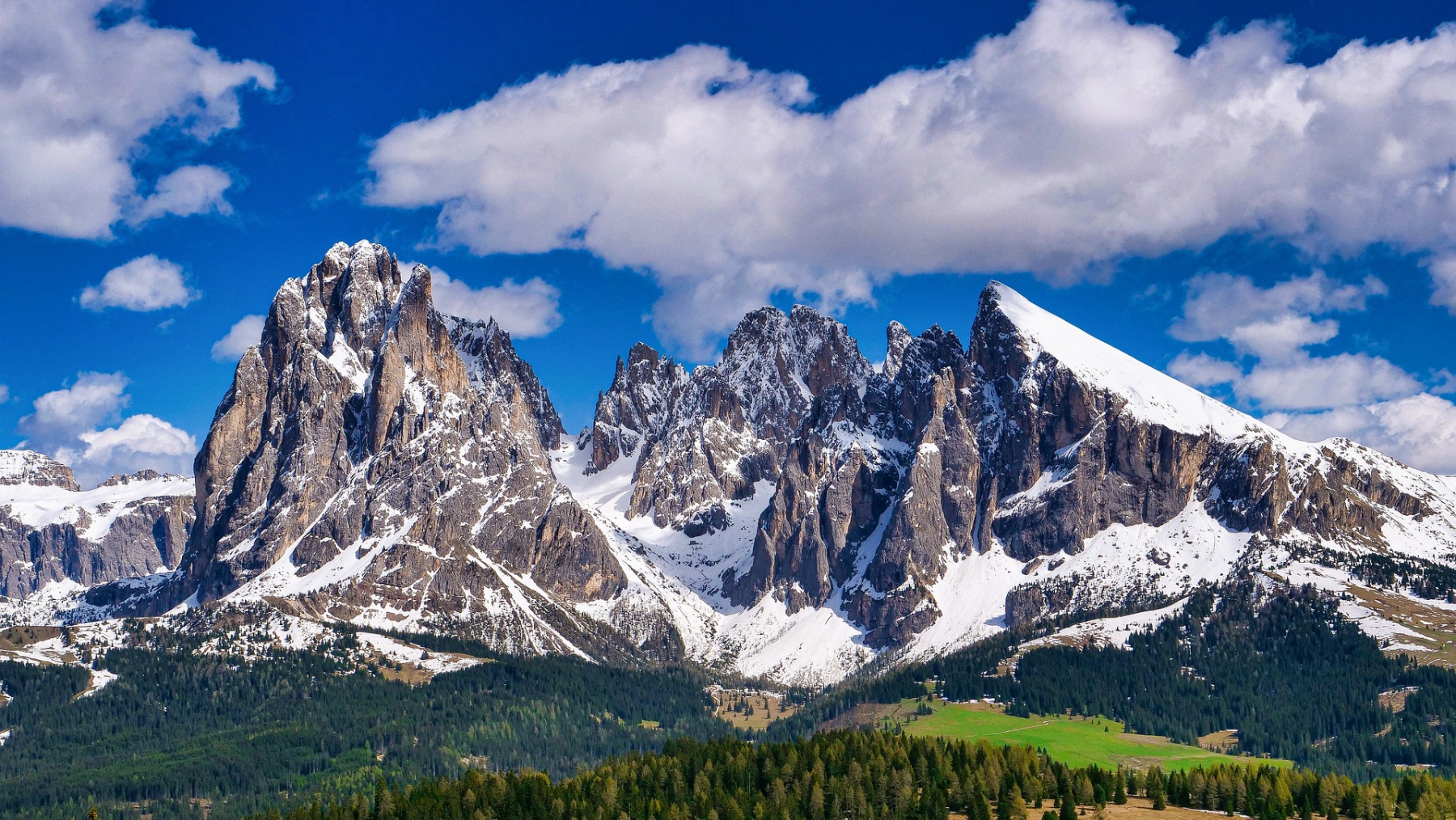
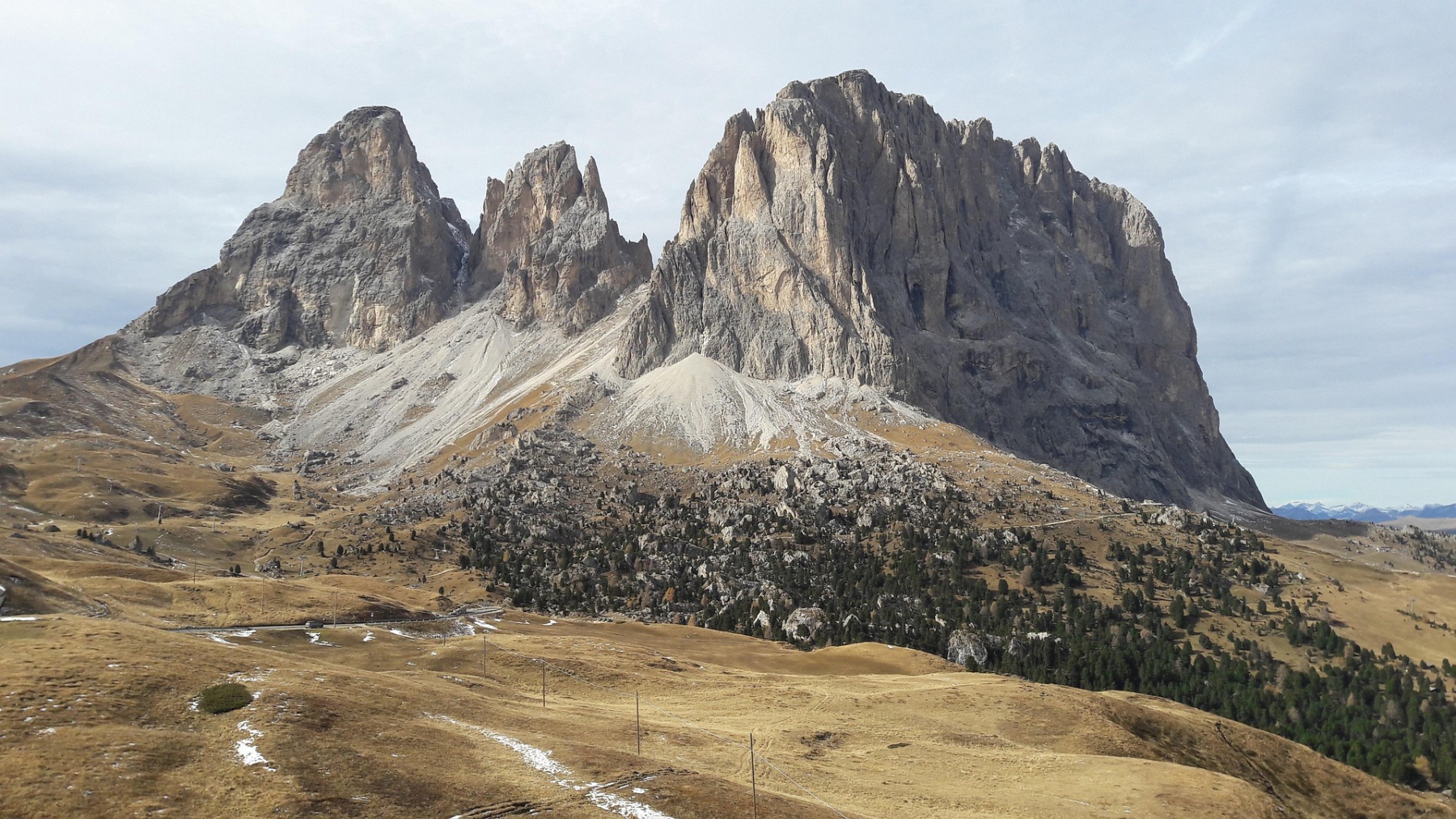
Alongside Sassolungo itself, the group includes several other remarkable peaks and rock formations, including Sasso Piatto (Plattkofel), Punta Grohmann, the Five Fingers, Innerkofler Tower and the Dente del Sassolungo. Together they form an extraordinary landscape of sheer walls, towers, ridges and rocky gullies that changes dramatically depending on the viewpoint.
The name Sassolungo literally means “long rock”, a meaning shared by its German name Langkofel and its Ladin name Saslonch.
A story that began in a tropical sea 240 million years ago
The story of Sassolungo began long before the mountains we see today existed.
Around 240 million years ago, during the Middle Triassic period, the area that would eventually become the Dolomites lay much closer to the equator and was covered by the ancient Tethys Ocean. Calcareous algae, sponges and other marine organisms gradually created enormous reef structures similar to today's tropical coral reefs.
Sassolungo originally formed as one of these great tropical reefs. Over millions of years, the marine deposits were transformed into dolomite rock, uplifted during the formation of the Alps and sculpted by erosion into the spectacular mountain landscape visible today.
Sasso Piatto still preserves the form of one of the original flanks of this ancient reef particularly clearly.
Knowing that the immense rock walls now rising thousands of metres above Val Gardena originated on the floor of a tropical sea adds another dimension to the experience of this remarkable mountain.
13 August 1869: the first ascent of Sassolungo
Sassolungo also occupies an important place in the history of Dolomite mountaineering.
On 13 August 1869, Viennese mountaineer Paul Grohmann, accompanied by mountain guides Franz Innerkofler and Peter Salcher, became the first to reach its summit.
At the time, Sassolungo was considered extremely difficult and almost inaccessible because of the length of the ascent, its steep rock faces and the danger of falling rocks. The successful climb became an important milestone in the exploration of the Dolomites.
Today, the great walls of Sassolungo remain terrain for experienced mountaineers and climbers, while hikers and families can experience the massif from an extensive network of trails and panoramic locations around its base.
Monte Pana: a front-row seat beneath Sassolungo
What makes Monte Pana particularly special is its position directly beneath the Sassolungo Group.
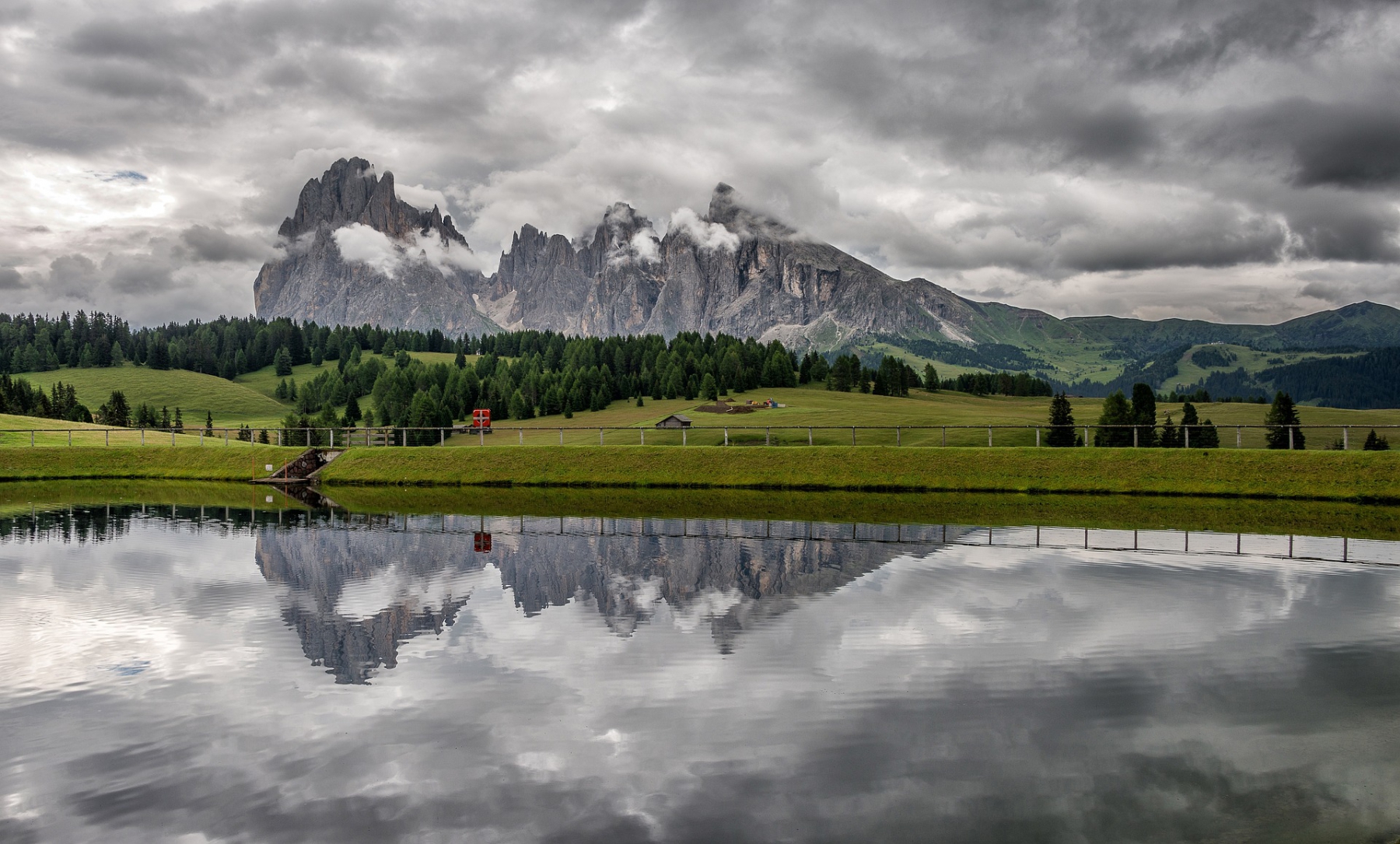
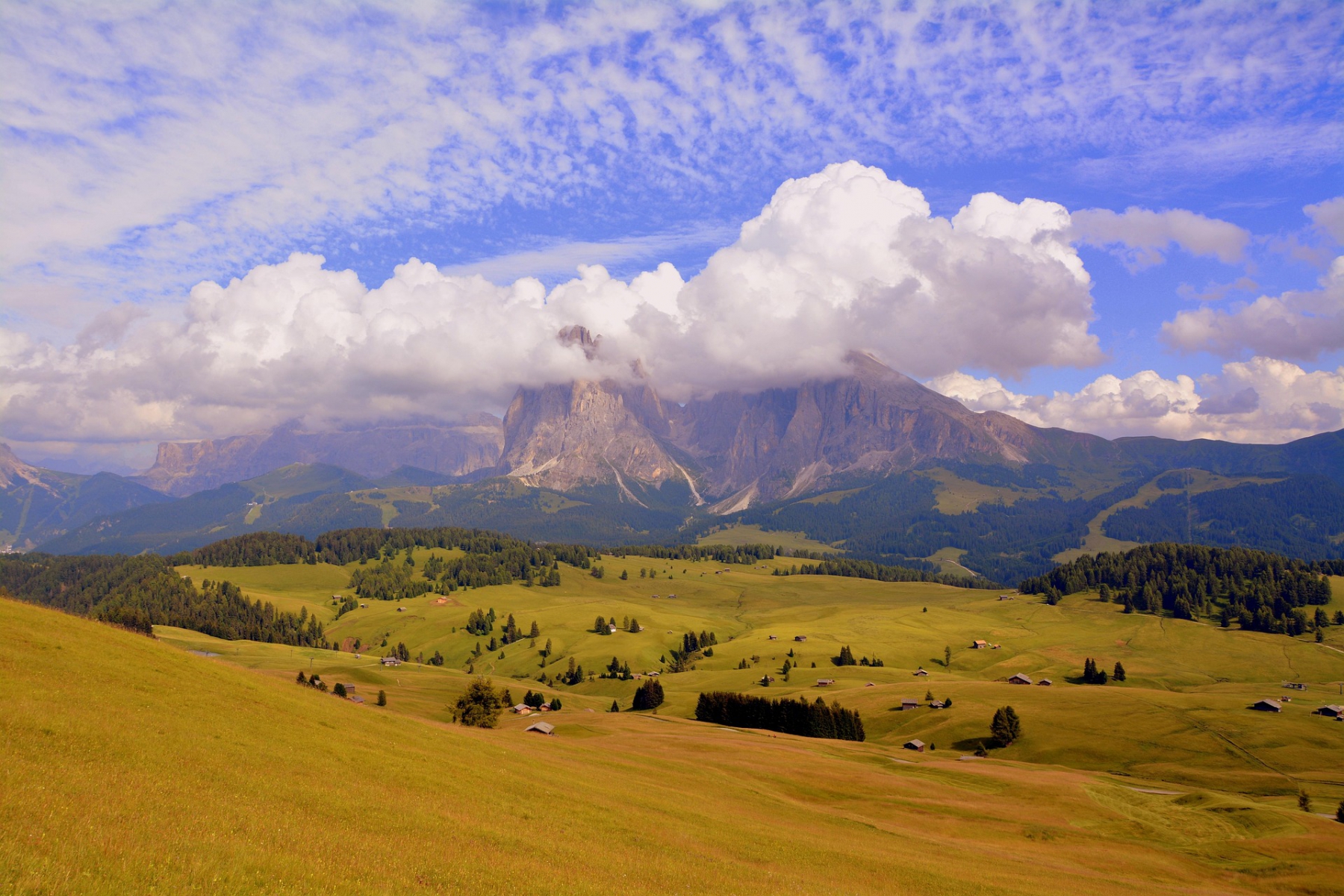
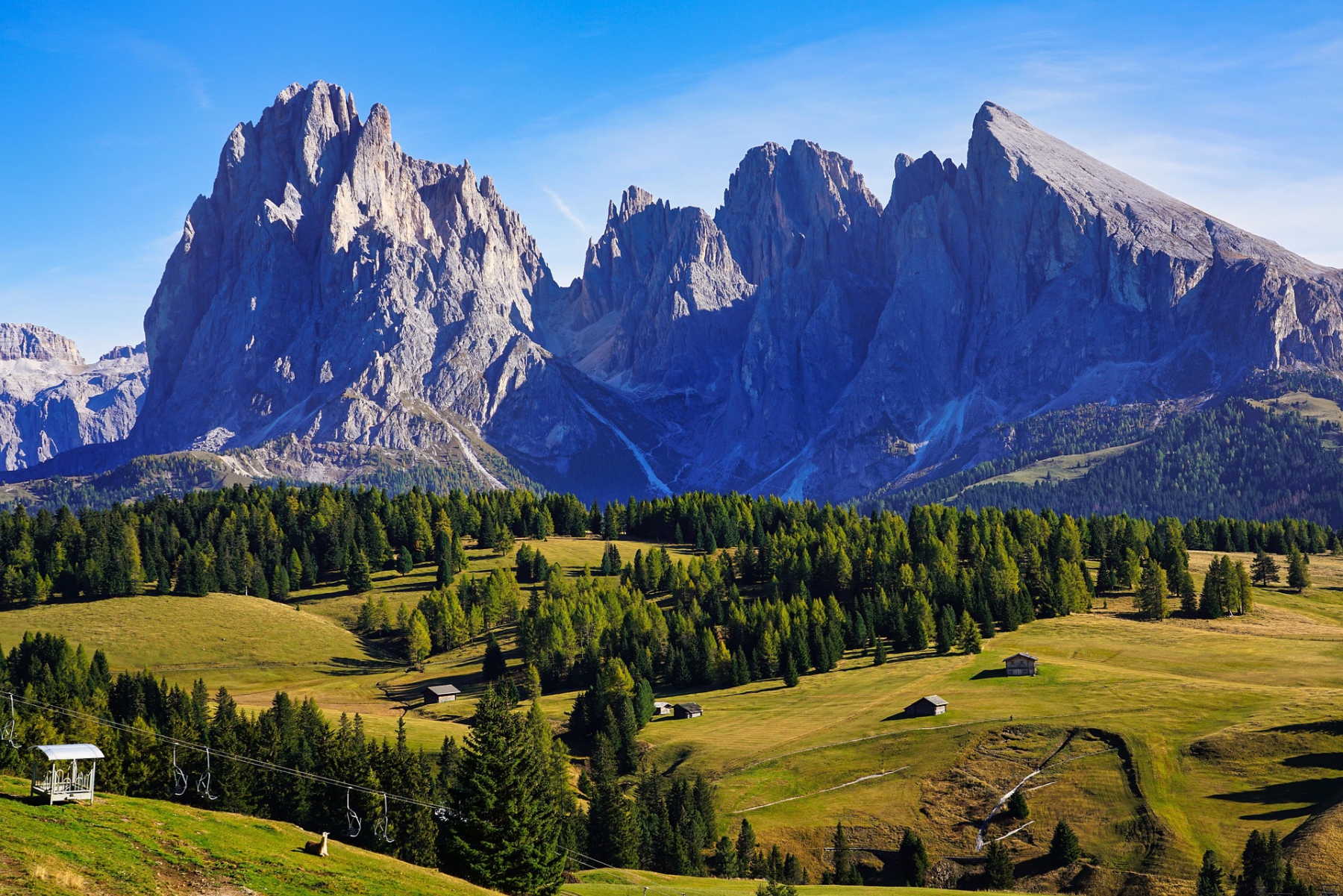
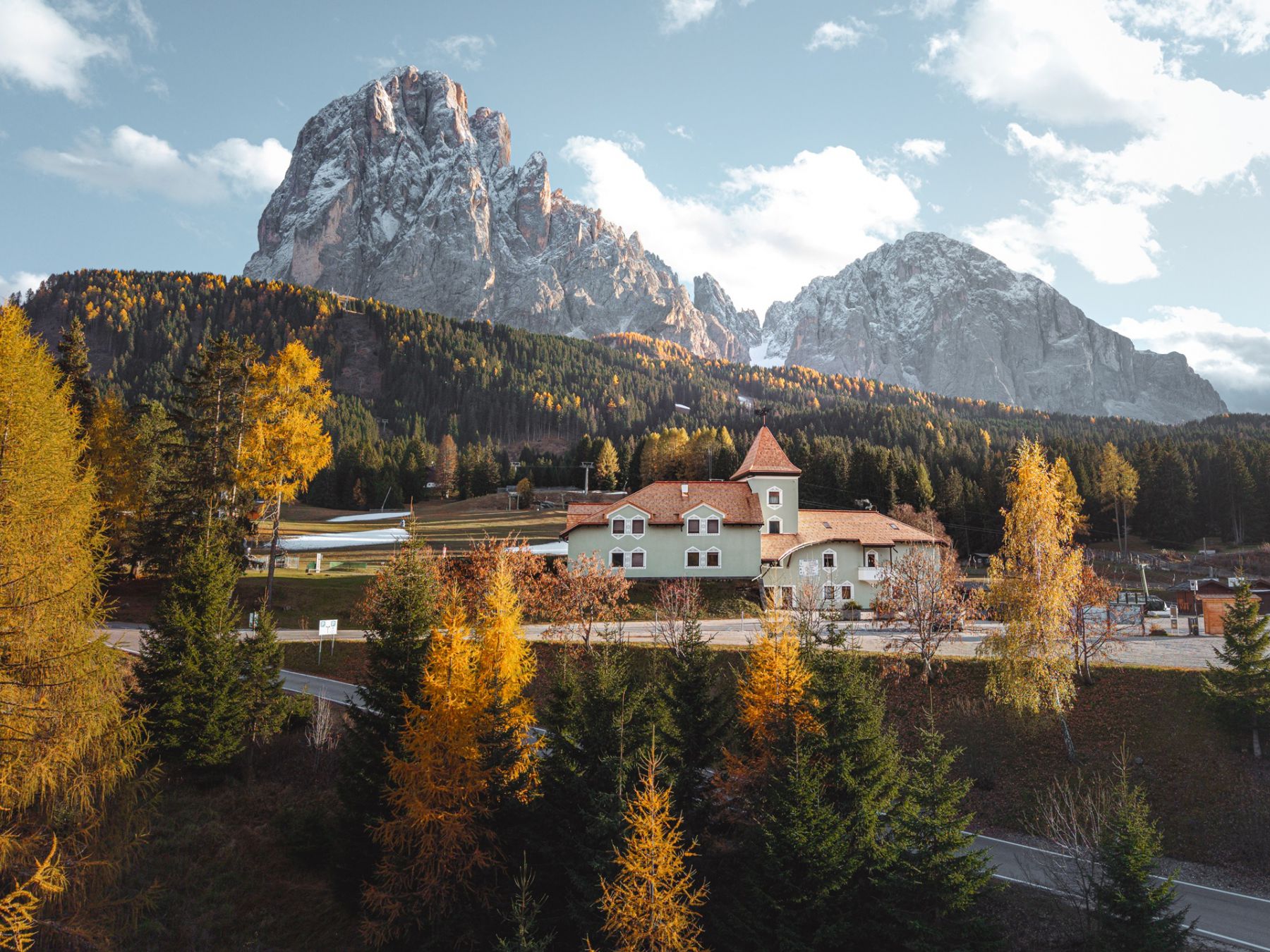
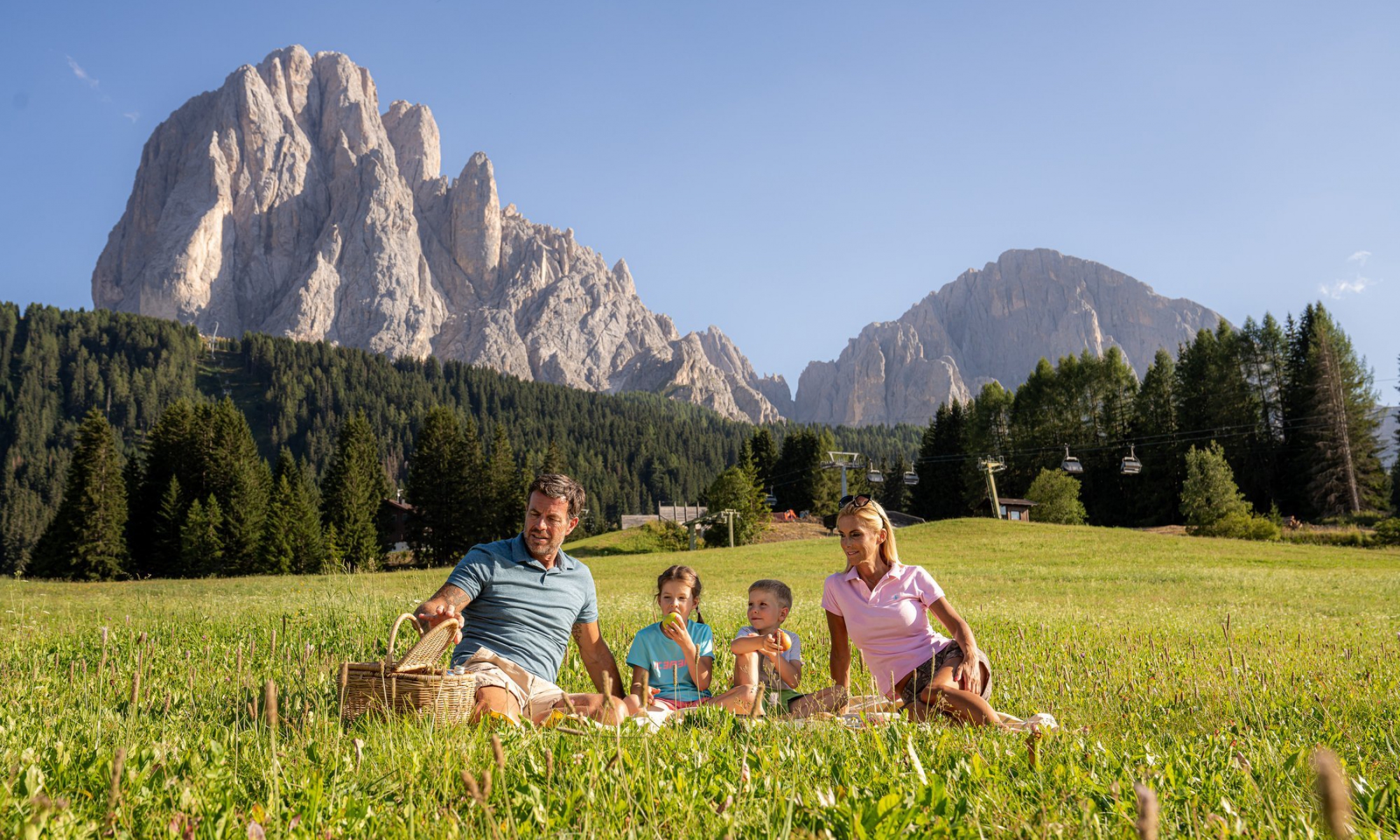
From the plateau, the mountain appears both immense and remarkably close. Meadows, forests and alpine pastures form a natural foreground to the towering Dolomite walls, making Monte Pana an excellent place even for visitors who simply want to admire or photograph Sassolungo without undertaking a demanding mountain hike.
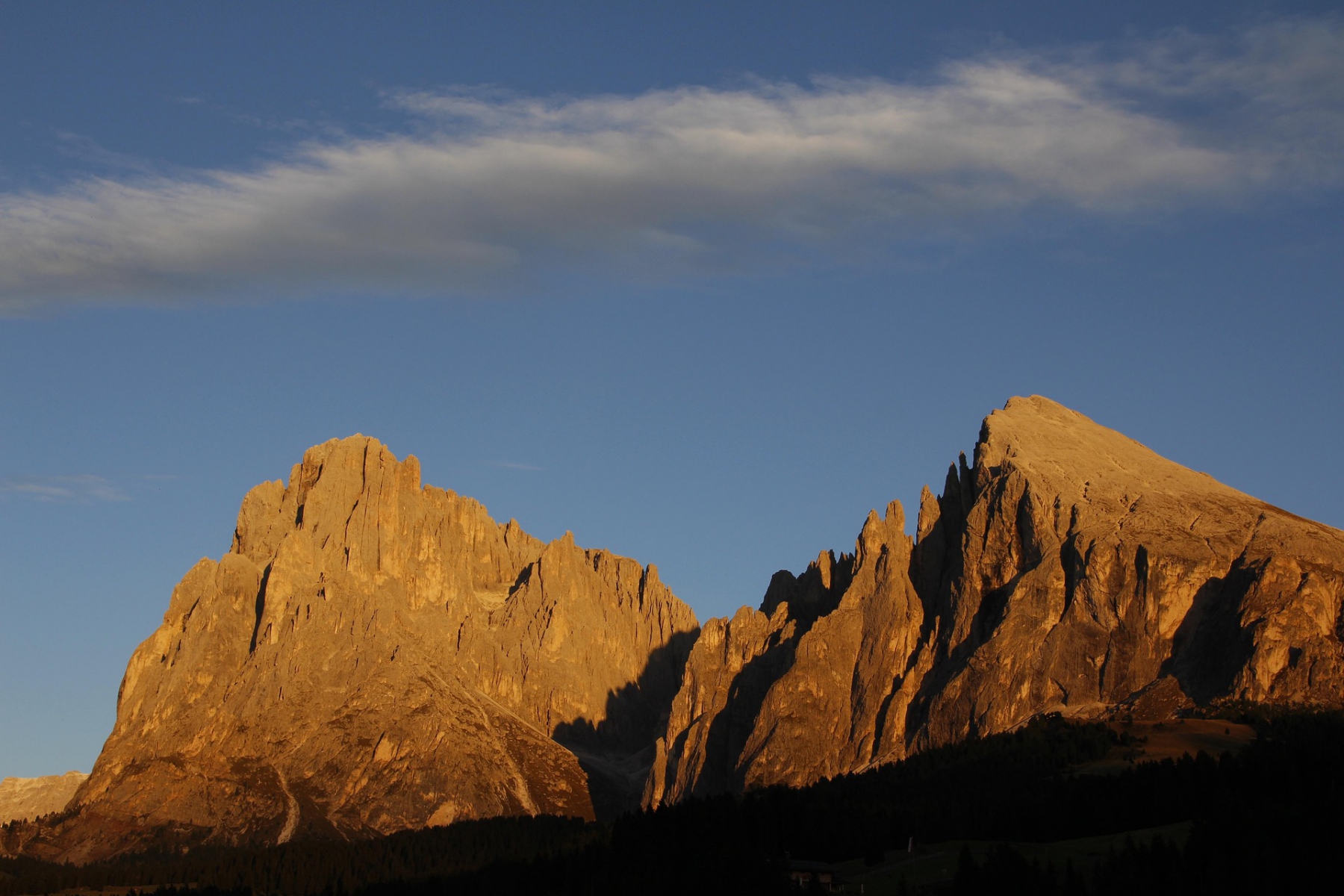
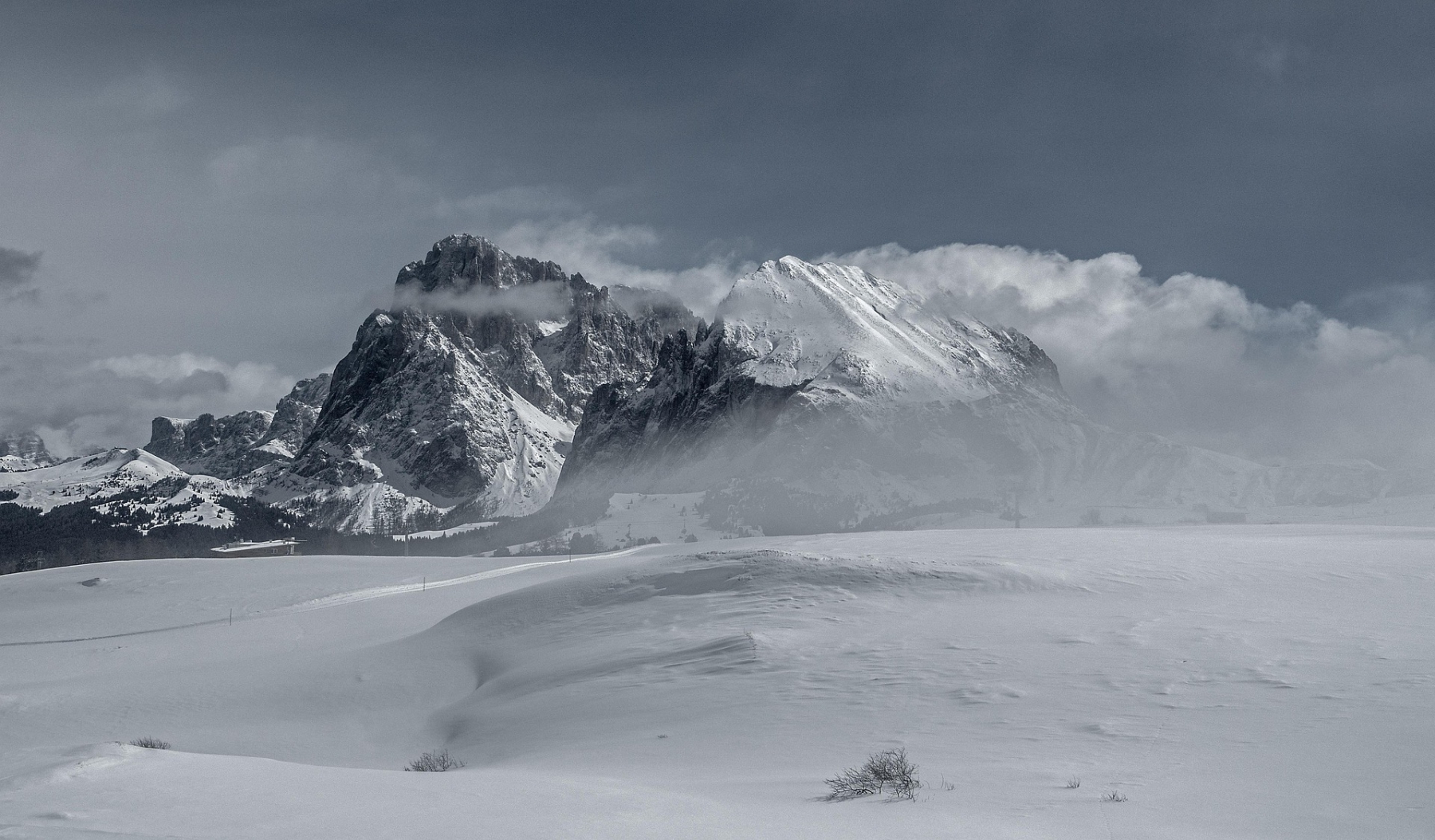
Light continually changes the appearance of the massif. Morning often reveals crisp, cooler-toned rock faces, while towards evening the Dolomite stone can take on the characteristic warm colours of the enrosadira. Snow, clouds, green summer meadows and autumn landscapes provide completely different photographic conditions throughout the year.
For this reason, Monte Pana is also one of the area's particularly rewarding places for photographing Sassolungo.
Mont de Sëura: even closer to the walls of Sassolungo
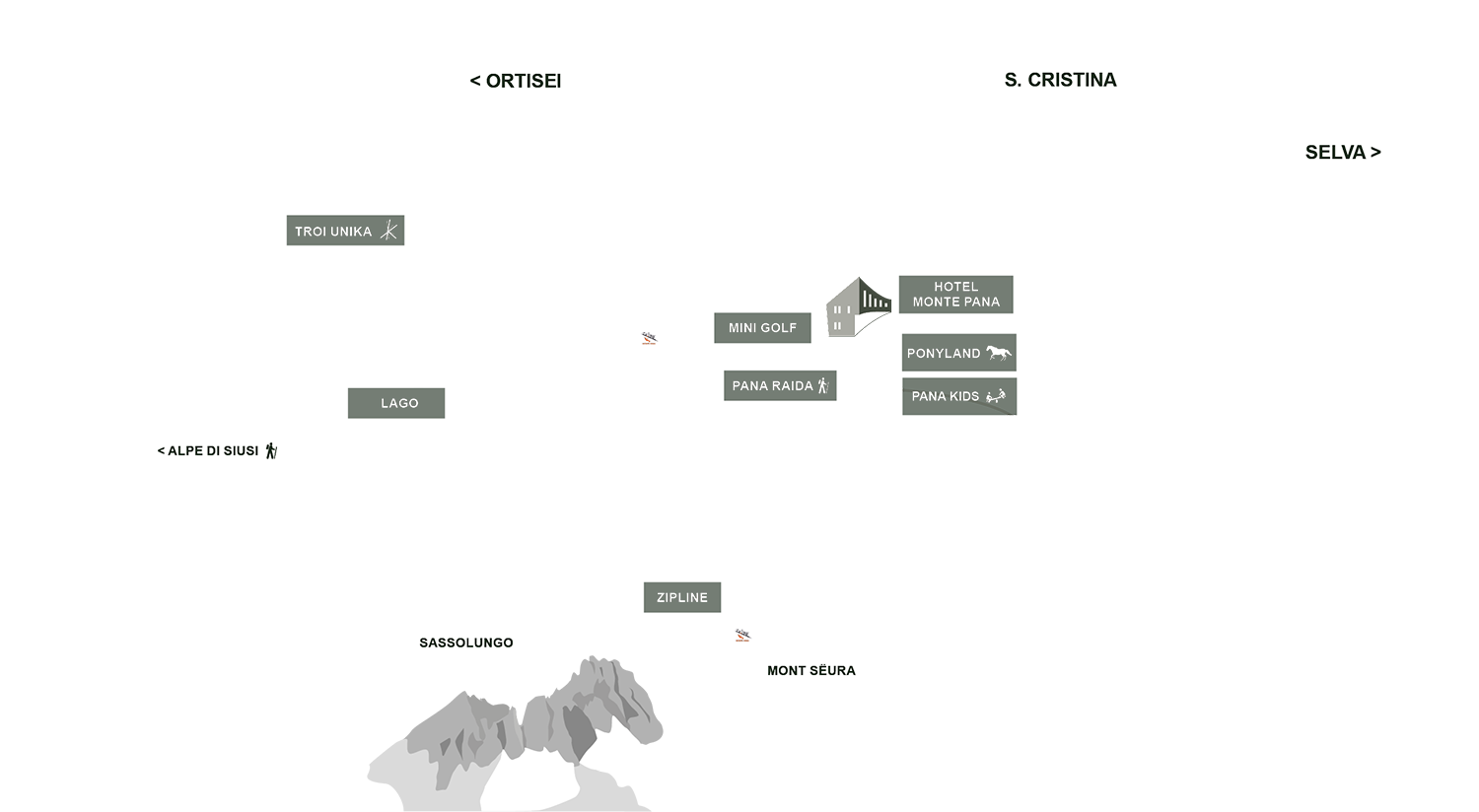
From Monte Pana, the chairlift continues towards Mont de Sëura, reaching the high-alpine area above 2,000 metres directly beneath the Sassolungo Group.
Here, the scale of the landscape changes dramatically. The mountain walls appear even larger and Sassolungo fills much of the horizon.
Mont de Sëura is an excellent starting point for hikes towards the Comici Hut, the Stone City and Sella Pass, as well as for routes that explore the Sassolungo Group at closer range.
For visitors wishing to get close to Sassolungo without beginning with a long or technically demanding climb, the combination of Monte Pana and Mont de Sëura offers one of the most accessible and spectacular approaches.
Hiking around the Sassolungo Group
The Sassolungo circuit is one of the classic hiking experiences of the Dolomites.
From Monte Pana, visitors can take the chairlift to Mont de Sëura and continue on foot towards the Comici Hut and Sella Pass. Other routes lead towards Forcella Sassolungo and into the dramatic heart of the massif, or continue around the mountain group through alpine pastures, rocky landscapes, forests and mountain huts.
Completing the entire circuit is not necessary to experience the character of Sassolungo. Shorter hikes from Monte Pana and Mont de Sëura already allow visitors to spend hours walking with the massif constantly dominating the landscape.
Before setting out, hikers should always check the difficulty, weather and current trail conditions. At higher elevations, snow can remain on some sections even at the beginning of the summer season.
Sassolungo throughout the year
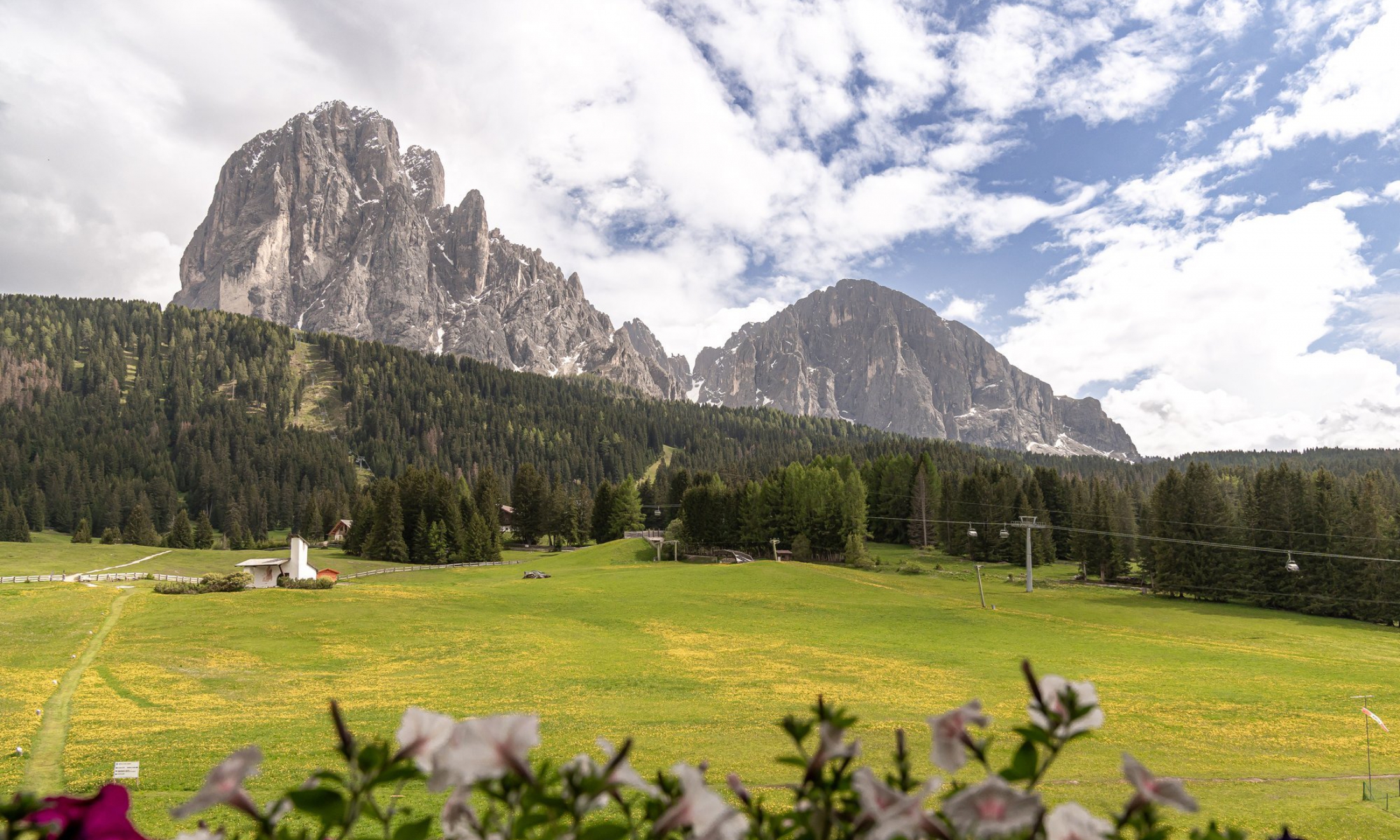
In summer, green alpine meadows create a striking contrast with the grey rock walls, while hiking, mountain biking, climbing and other outdoor activities unfold directly beneath the massif.
In autumn, lower sunlight, changing forest colours and a quieter atmosphere create particularly evocative views.
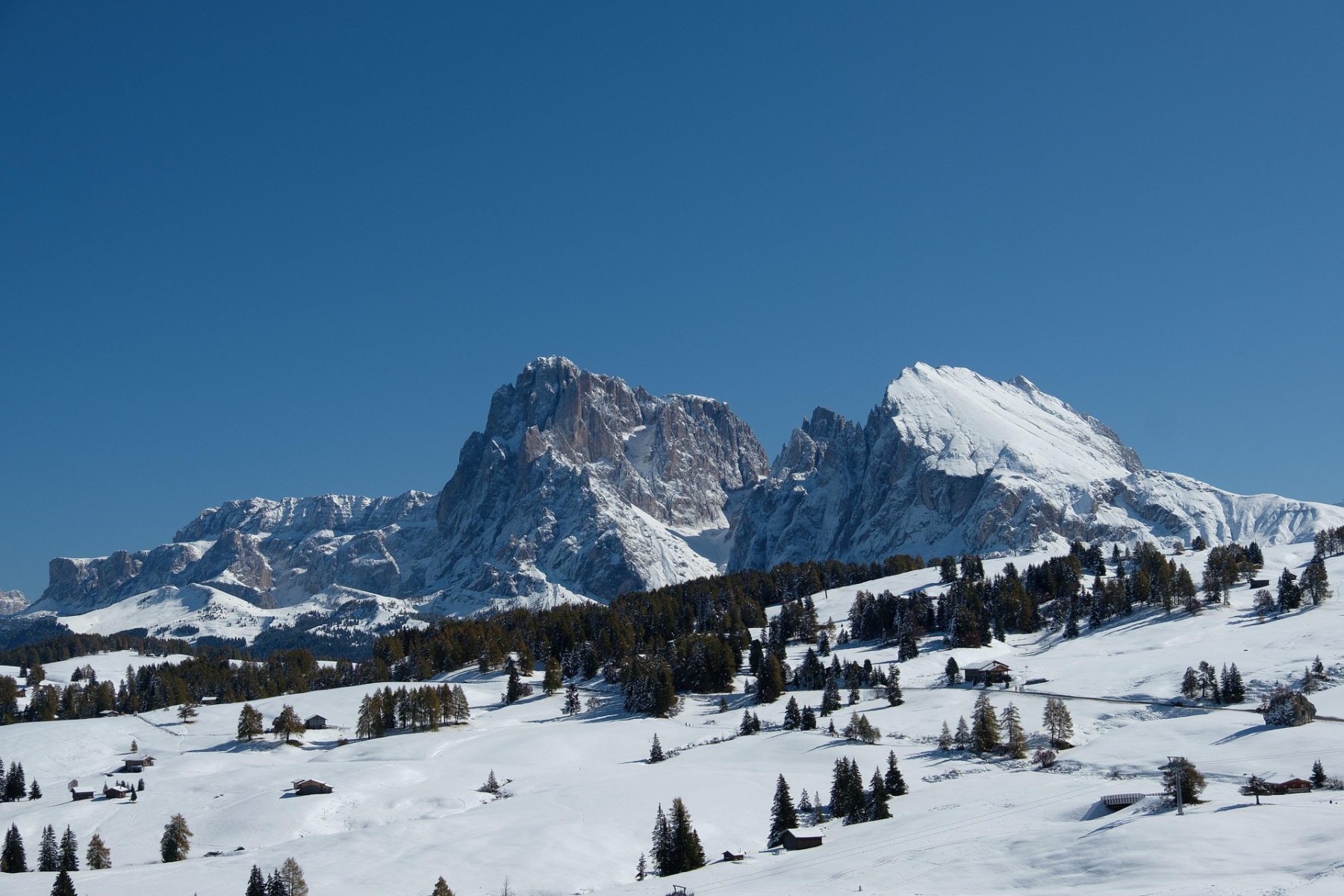
In winter, snow completely transforms the landscape. Monte Pana offers skiing, cross-country skiing and winter walking with Sassolungo providing an impressive and almost monumental backdrop.
In spring, the first green areas of the plateau contrast beautifully with snow still covering the higher peaks.
Sassolungo is therefore not a mountain to experience only once. Its appearance changes with the seasons, the weather and even the time of day.
A mountain of legends
Like many of the great peaks of the Dolomites, Sassolungo is closely connected with ancient Ladin legends.
One of the best-known stories tells of a giant who stole from the people living in the valleys and blamed the missing animals on wildlife. When the council of giants discovered the truth, he was condemned to sink into the ground.
According to the legend, only one of his hands remained visible: the striking Five Fingers that still rise beside Sassolungo today.
Geology, mountaineering history and legend therefore come together in a mountain that means much more to the people of Val Gardena than a dramatic feature on the horizon.
Experience Sassolungo from Monte Pana
You do not need to stand on the summit to understand the fascination of Sassolungo.
From Monte Pana, you can watch and photograph the mountain, walk beneath its walls, travel higher to Mont de Sëura, stop at a mountain hut or simply sit in the alpine meadows and take in its extraordinary presence.
Perhaps this is the most authentic way to experience Sassolungo: not simply looking at a mountain, but spending time within its landscape.
Discover Monte Pana and Mont de Sëura and experience Sassolungo from a perspective that is difficult to forget.